
Print this page Philosophy of Power
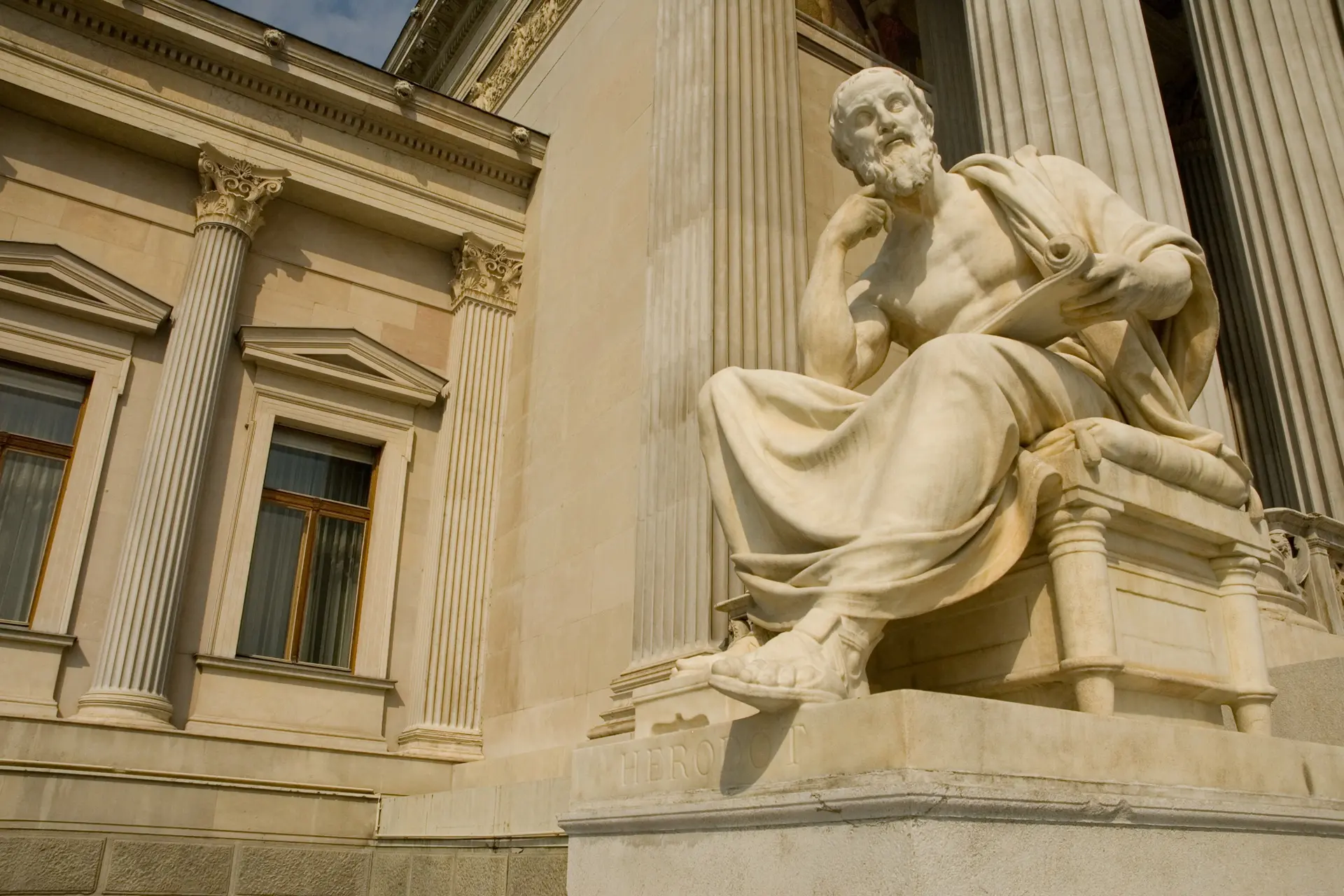
This course will examine the concept of ‘power’ in many aspects of human life, from personal empowerment to the oppressive power of others to control us. The making and maintaining of political power will be a central concern of the course. We will discuss figures such as Mussolini, whose Fascism conceived power as the privilege of the ‘elect few’. On the other hand, Anarchists advocate stateless society, based on self-governance, with voluntary, cooperative/ communal institutions. There are many types and traditions of anarchism, from extreme individualism to collectivism, from radical left-wing ideology to anarcho-capitalism.
Delivery Mode
Face to Face and Online
Learning Material
Material provided via Dropbox
Course content
Defining Power
- The course begins with an analysis of the many ways in which ‘power’ can be understood.
- Political Philosophy: We will study different types of political systems from Anarchism to Democracy., showing how each developed.
- Case Studies in Dictatorship: The course will showcase the rise and fall of various leaders and the underlaying philosophy through which they justify their power.
Some examples will be: Italian Fascist philosophy as developed by Giovanni Gentile and adopted by Benito Mussolini; Fidel Castro’s unique brand of Communism; and the very contemporary role of democracy as potentially leading to unconstitutional authoritarian power. - Personal Power: We will look at the various forms of personal power as 'Power From' and 'Power to'.
Learning Outcomes
By the end of the course the student will:
- Have gained an overall understanding of the history and key concepts in many areas of the philosophy of personal empowerment.
- Have gained an insight into seminal works of the key philosophers on the negative potential of political power to oppress its citizens.
- Be able to relate the ideas of the course to some contemporary political situations such as the power play between nations on economic issues.