
Print this page Women Artists: From Antiquity to the 20th Century
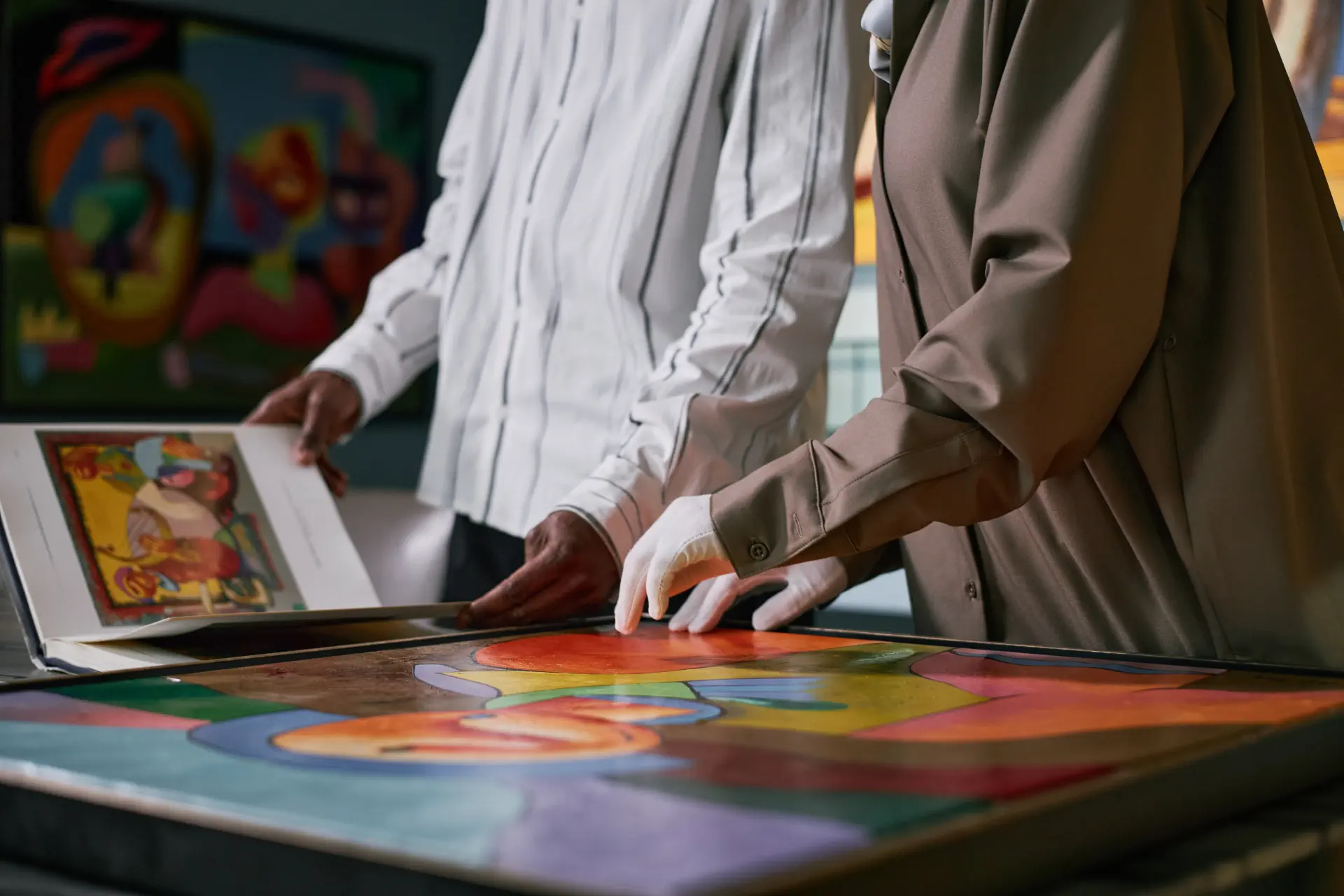
For centuries, art was seen as a man's world. Yet women artists have always been there, innovating, inspiring and shaping the direction of art, often against the odds. Over four classes, we'll uncover their stories. Why did the university city of Bologna produce so many women painters? How did Artemisia Gentileschi become a master of drama and light? Why was Venetian artist Rosalba Carriera so important in making pastel popular? How did Edmonia Lewis, a sculptor of African American and Native American heritage, build a successful career in Rome? And how did women such as Berthe Morisot help define Impressionism? We'll also meet Australian tonalist Clarice Beckett, whose quiet, misty landscapes are now among our most loved paintings, and German artist Käthe Kollwitz, whose powerful work spoke out against inequality. Along the way we'll explore how these women built careers despite discrimination, and how gender has been shown and shaped in art.
Join fellow art lovers for warm, engaging conversation. Every perspective is welcome as we celebrate the women who helped shape the story of art.
DELIVERY MODE
Face-to-Face
COURSE RESOURCES
- Babette Bohn, Women Artists, Their Patrons, and Their Publics in Early Modern Bologna (Penn State University Press: 2021).
- Germaine Greere, The Obstacle Race: The Fortunes of Women Painters and Their Work (Barbara Ward & Associates: 2001).
- Originally published in 1979.
COURSE OUTLINE
Women Artists: Antiquity to the Seventeenth Century
- Pliny the Elder’s accounts of Greco-Roman women artists in his Natural History
- Sister Plautilla Nelli (1524–1588), Dominican nun and Florentine painter
- Women artists of Bologna and Cremona: Properzia de’ Rossi, Sofonisba Anguissola, Lavinia Fontana and Elisabetta Sirani
- Artemisia Gentileschi (1593–1654), master of the Caravaggesque manner
Women Artists: The Enlightenment
- Rosalba Carriera (1673–1757), innovator in pastel
- Giulia Lama (1681–1747), Venetian master of figurative narrative
- Angelica Kauffman (1741–1807), renowned history painter
Women Artists: The French Revolution to the American Civil War
- Élisabeth Louise Vigée Le Brun (1755–1842), portrait painter to Queen Marie Antoinette
- Constance Mayer (1775–1821) and French Neoclassicism
- Edmonia Lewis (1844–1907), First Nations–African American sculptor in Rome
Women Artists: Impressionism to the Twentieth Century
- Clarice Beckett (1887–1935) and the Australian tonalist movement
- Käthe Kollwitz (1867–1945) and a world of social inequality
LEARNING OUTCOMES
By the end of this course, students should be able to:
- Gain an understanding of how women artists have successfully established themselves as both innovators and critical cultural catalysts within the history of art.
- Gain an understanding of how women artists have developed careers within the context of historical discrimination, prejudice and sexism.
- Be able to identify how gender is expressed and defined by visual culture.
Women Artists: From Antiquity to the 20th Century
<p>For centuries, art was seen as a man's world. Yet women artists have always been there, innovating, inspiring and shaping the direction of art, often against the odds. Over four classes, we'll
...
Unable to attend this course? JOIN OUR WAITLIST to be notified of vacancies and similar courses.