
Print this page Shakespeare's Big Questions: Love, Power and Truth
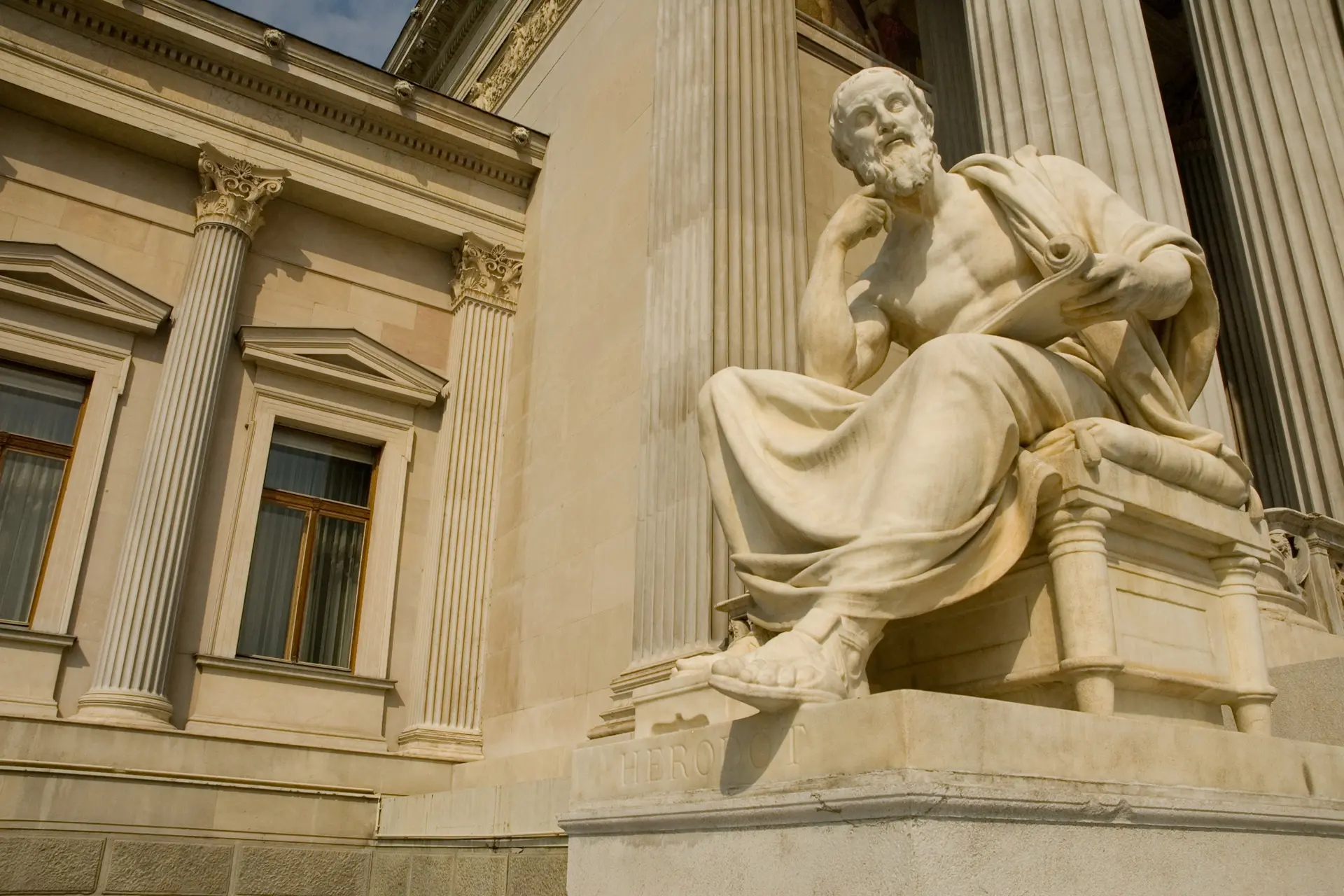
Why do Shakespeare's plays still move us more than 400 years later? Because they ask the same questions we ask today. What is love, and how is it different from desire? Why do people crave power, and what does it cost them? How do we know what is true? In this relaxed, discussion-based course, we'll explore the big ideas behind Shakespeare's greatest characters. We'll meet Falstaff, with his surprising moments of nobility, and the ruthless schemers Macbeth and Richard III, asking whether we are drawn to them, repelled by them, or both. We'll see how Shakespeare questioned truth and certainty, how he celebrated and poked fun at love and lust, and how Hamlet opened a window into the inner life of the mind. Along the way we'll meet the thinkers who influenced him, such as Machiavelli and the humanists of his age, and connect their ideas to the world we live in now.
No expertise is needed. Whether you know the plays well or are simply curious, bring your views and favourite lines to share. Every perspective adds something to the conversation.
DELIVERY MODE
Online
COURSE RESOURCES
- Richard III
- Lear
- Julius Caesar
- Othello
- Romeo & Juliet
- Twelfth Night
- Midsummer Nights Dream
- Hamlet
- Macbeth
- The Tempest
COURSE OUTLINE
- Humanism & the Nobility of the Human Spirit. None of Shakespeare’s characters are ‘romantically’ noble in the simplistic sense of the hero tradition, but many of his even most flawed characters, such as Falstaff have their noble moments.
- Shakespeare on Power and Revenge. There is no lack of ‘Machiavellian’ characters in Shakespeare’s plays. Macbeth and Richard 111 are two of Shakespeare’s most complex characters. But what do we think of their actions: are we seduced or repelled by them, or perhaps both at the same time.
- Shakespeare on Truth. A theme throughout Shakespeare’s plays is the problem of truth: How do we know what we know. Of particularly interest here is the skepticism which Shakespeare presents in such lines as: ‘What’s aught, but as ‘tis valew’d’.
- Shakespeare on Love and Lust. Love and lust are two of our favorite subjects and Shakespeare’s plays make a feast of them.
- Shakespeare and Consciousness. The idea that humans are defined by their individual consciousness is important to both the humanist philosophy of the age and is also central to Shakespeare’s play Hamlet. We will consider the ‘psychological’ plays in some detail.
LEARNING OUTCOMES
By the end of this course, students should be able to:
- Identify the important philosophical ideas of Shakespeare’s time.
- Identify the philosophers, such as Machiavelli who informed Shakespeare’s work.
- Discuss Shakespeare’s broad approach to problems such as the role of the monarch.
- Relate Shakespeare’s ideas to some contemporary problems.
Shakespeare's Big Questions: Love, Power and Truth
<p>Why do Shakespeare's plays still move us more than 400 years later? Because they ask the same questions we ask today. What is love, and how is it different from desire? Why do people crave power,
...
Unable to attend this course? JOIN OUR WAITLIST to be notified of vacancies and similar courses.