
Print this page Bread and Circuses: How Rome Built the Colosseum
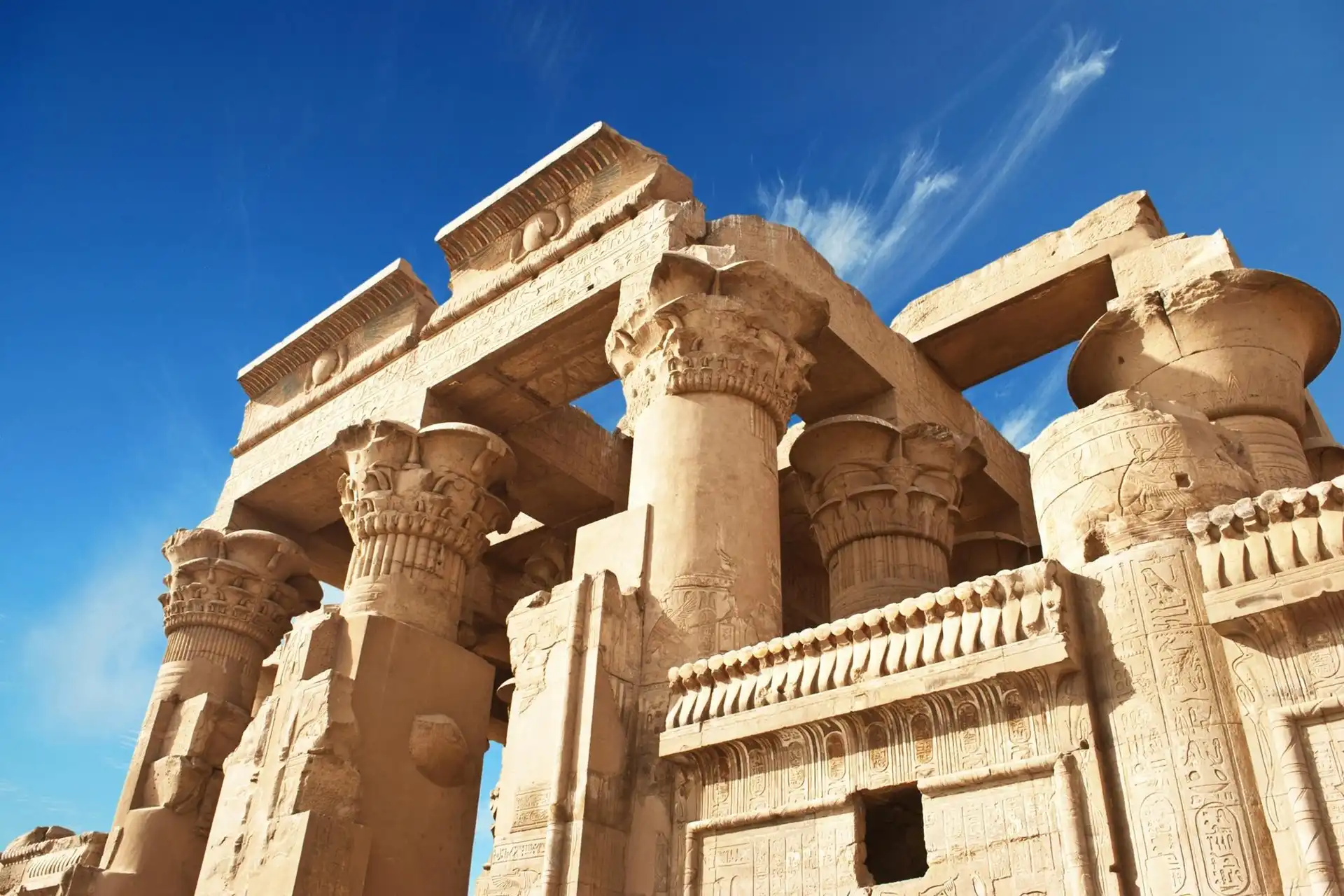
Legend says Nero played music while Rome burned in AD 64. What is certain is that the city was soon rebuilt by a new family of emperors, the Flavians, who promised a golden age after years of scandal, corruption and civil war. But did they deliver? In this richly illustrated course, we'll explore how politics, ambition and disaster shaped Rome in the first century. We'll follow the emperors Vespasian, Titus and Domitian through a time of great upheaval, from the Great Fire of AD 64 to the eruption of Vesuvius in AD 79 and another devastating fire in AD 80. We'll discover how these rulers used buildings to win the hearts of the people, from Nero's extravagant Golden House to the Circus Maximus and, above all, the Colosseum. We'll also uncover lesser-known places, including temples, grand baths and even the public toilets! Finally, we'll see how the later emperors Trajan and Hadrian used architecture to show their power.
Join fellow history lovers in a relaxed and friendly setting. Bring your questions and curiosity, and see how the stones of Rome still tell the story of power, people and public life.
DELIVERY MODE
Face to face
COURSE OUTLINE
- Bread and Circuses: the Making of the Colosseum focusses on how political considerations shaped Rome during the reigns of the Flavian Emperors: Vespasian, Titus and Domitian during the time of man-made and natural disasters: the 60CE fire, the eruption of Vesuvius ten years later and a second fire in the year 80.
- Setting the Scene (39-69CE): The end of the Julio-Claudians, the year of the four emperors and the ensuing civil war.
- Dawn of a New Golden Age (69-79): The reigns of Vespasian and his first-born Titus and their re-building of Rome in the Flavian image.
- The 80 fire and the return of despotic rule (80-96): The reign of Vespasian’s second-born, Domitian and the rebuilding of Rome after the 80 fire.
- The Flavian legacy (96-120): How Trajan and Hadrian continued the Flavian legacy with the conscious use of architecture and urban development as expressions of political power.
LEARNING OUTCOMES
By the end of this course, students should be able to:
- Understand the political forces as well as the man-made and natural disasters that shaped 1st C Rome
- Know the genesis of some of Rome’s most famous monuments
- Understand how a city and it monuments are used as political tools to express power.
Bread and Circuses: How Rome Built the Colosseum
<p>Legend says Nero played music while Rome burned in AD 64. What is certain is that the city was soon rebuilt by a new family of emperors, the Flavians, who promised a golden age after years of
...
Bread and Circuses: How Rome Built the Colosseum
<p>Legend says Nero played music while Rome burned in AD 64. What is certain is that the city was soon rebuilt by a new family of emperors, the Flavians, who promised a golden age after years of
...Unable to attend this course? JOIN OUR WAITLIST to be notified of vacancies and similar courses.